



Spring Fitness: A Guide to a Safe Start
Spring into an outdoor workout
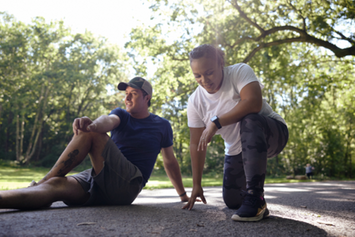 Spring is in the air, even in those parts of the country that have seen freezing winter storms. With warmer weather comes a desire to get outside, get active, and shed some of the weight that might have been gained during winter months.
Exercising alone or only with your partner is still a great way to make good on your fitness goals while enjoying the nice weather.
Get the full effects of fitness
Did you know that exercising regularly affects more than just physical fitness? You might be surprised to discover that exercise makes you more likely to:
- Live longer
- Sleep well at night
- Be in a good mood
- Control your weight
My HealtheVet has five tips to help you put your best foot forward when you're keeping fit in the heat.
1. Warm-up and cool-down
Always include a warm-up and cool-down as a part of your exercise routine. A tough workout can lead to muscle strain and injury if your body does not ease in and out of physical activity. Include stretching after your cool-down routine to increase flexibility. Muscles will still be warm and more flexible, which will allow you to move through a fuller range of motion.
Learn how to choose warm-up and cool-down activities (PDF).
2. Wear proper footwear
It's important to choose the right clothing and footwear. Both should be comfortable and safe. You might think that your flip-flops or slippers are the most comfortable shoes you own, but they are not appropriate for working out. For exercising, be sure to have properly fitted athletic shoes with good arch support. The right shoes will prevent too much stress on your feet and knees and will help you from stumbling on obstacles in your path.
Keep these helpful tips in mind.
3. Don't overdo it
For many Veterans, starting a brisk walking program may be more appropriate than running at full speed. Begin by taking it easy on your joints and work your way towards finding the point at which you are challenged. Remember: you're not a new recruit doing physical training in basic training anymore. Get into your workout program step by step to avoid injury and burnout. And keep in mind, if you're training outdoors, you always need to get back home. So be careful to pace yourself and don't go too far in one direction.
Check out this video to know how much is too much.
4. Track progress
Setting concrete goals and tracking your progress in achieving those goals can be a great motivator. Keep the goals realistic. For example, don't start your running program by running long distances. As you keep track of your exercise, you will notice your exercise patterns. With those records, you'll recognize how much progress you're making, or if your success is dropping off.
If you don't already have a My HealtheVet account, register today. Then you can use My HealtheVet's Activity Journal to keep track of how much you are exercising.
5. Drink enough liquids
Working out in the heat and humidity can put you at risk for dehydration, heatstroke, and other heat-related illnesses. The easiest way to avoid heat disorders is to keep your body hydrated. This means drinking liquids before, during, and after your exercise.
Don't drink the kind of soda or fruit juices that will only make you more dehydrated. Choose water or a low-calorie sports drink. Insufficient liquids will not just leave you feeling uncomfortable, but dehydration can lead to fainting or muscle cramps.
Please vote in our unscientific poll. All responses are anonymous.